Q: How do I know if I should pivot or stay the course?
In part one, I shared the largest-ever data set of startup pivots. The Google Sheet within the post (available to paid subscribers) includes the stories behind 40 pivots—why they decided to pivot, how they found their new idea, how long it took them to decide, and more. Today, I’m going to analyze this data and share the many lessons that emerged.
Why you should consider pivoting
It’s heartbreaking to pivot. You are thinking about killing an idea you’ve been obsessed with for months or years. Your team joined because of it, you’ve built a lot of great product around it (so much sunk cost!), and some people probably love what you’ve done. You’ve spent so long convincing people (and yourself) that this is a huge idea. And who knows—if you give it just a bit more time, it could still work!
No single post, video, or tweet is going to give you a definitive answer for whether you should pivot or not, but the truth is that pulling the plug on one thing often allows something much better to flow through.
As Dalton Caldwell (Managing Director at Y Combinator), in his legendary talk on pivoting points out, pivoting is all about opportunity cost:
“[Pivoting] gets more shots on goal to try to find this elusive thing [called product-market fit]. If you made something and you launched it and it’s like, ‘Meh, not really working,’ a dang good reason to pivot is you get another roll of the dice. I’ve seen people use these opportunities really well. It’s much easier to be lucky when you get half a dozen shots on goal than one.”
There are two kinds of pivots: ideation pivots and hard pivots
As I was doing this research, I realized that people mix up two very different types of pivots and that it’s important to differentiate which path you’re on:
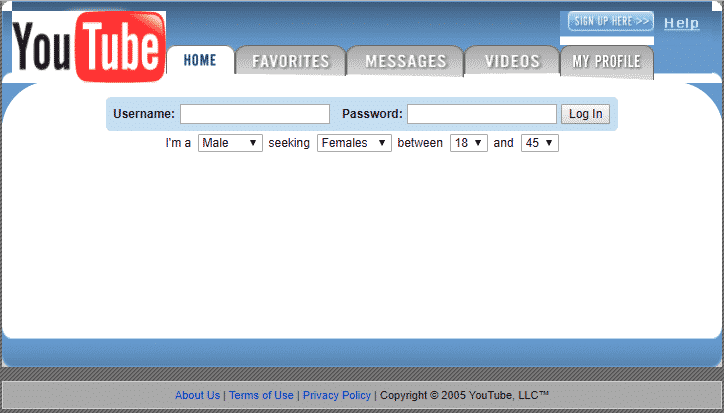
- Ideation pivots: This is when an early-stage startup changes its idea before having a fully formed product or meaningful traction. These pivots are easy to make, normally happen quickly after launch, and the new idea is often completely unrelated to the previous one. For example, Brex went from VR headsets to business banking, Retool went from Venmo for the U.K. to a no-code internal tools app, and Okta went from reliability monitoring to identity management all in under three months. YouTube changed direction from a dating site to a video streaming platform in less than a week.
- Hard pivots: This is when a company with a live product and real users/customers changes direction. In these cases, you are truly “pivoting”—keeping one element of the previous idea and doubling down on it. For example, Instagram stripped down its check-in app and went all in on its photo-sharing feature, Slack on its internal chat tool, and Loom on its screen recording feature.
Occasionally a pivot is a mix of the two (i.e. you’re pivoting multiple times over 1+ years), but generally, when you’re following the advice below, make sure you’re clear on which category you’re in.
How long to wait to pivot
When looking at the data, a few interesting trends emerged:
- Ideation pivots generally happen within three months of launching your original idea. Note, a launch at this stage is typically just telling a bunch of your friends and colleagues about it.
- Hard pivots generally happen within two years after launch, and most around the one-year mark. I suspect the small number of companies that took longer regret not changing course earlier.
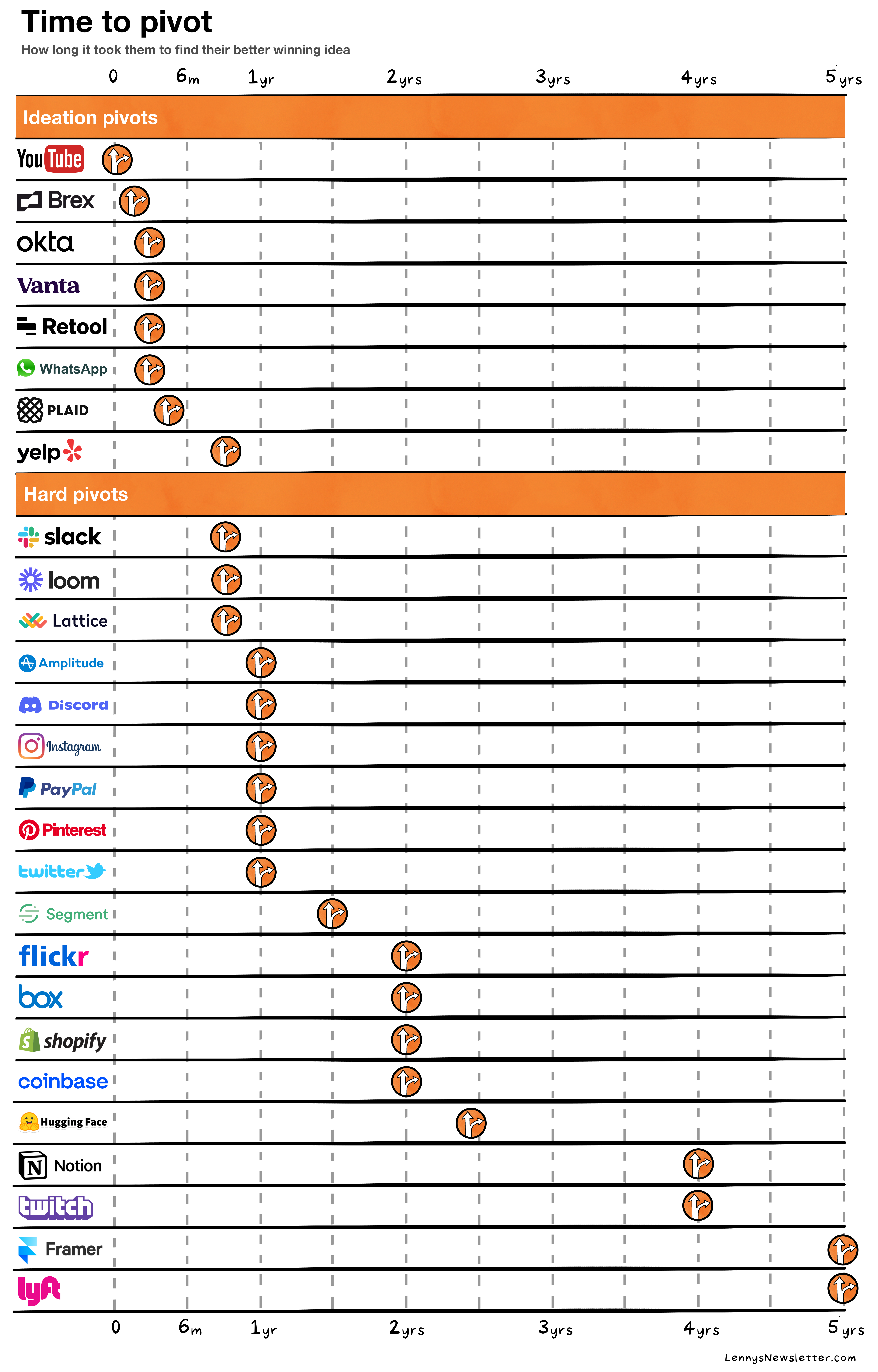
My takeaway is that you should have a hard conversation with your co-founder around the three-month mark, and depending on how it’s going (see below), either re-commit or change the idea. Then schedule a yearly check-in. If things are clicking, full speed ahead. If things feel meh, at least spend a few days talking about other potential directions.
Remember, you’re probably waiting too long to pivot. If you’ve tried your best ideas and they aren’t clicking, it’s unlikely that a few additional features will all of a sudden change everything. See: The next feature fallacy.
The two signs it’s time to consider a pivot
Reasons to strongly consider a pivot are very clear across both the data and the advice from folks who’ve seen a lot of pivots:
- Persistent lukewarm interest
- Realizing it’s never going to be as big as you thought
Here are examples of each.
Sign #1: Persistent lukewarm interest
If you see very low retention, a consistent growth plateau, and largely lukewarm interest in your idea, and you don’t have any more good ideas to drive growth, it’s probably time to pivot. It’s hard to put a super-strict time frame on this, but I’d say give it two to three months during the ideation phase, and six or more months if you have a live product with meaningful traction. But be sure to read this whole post before making the decision, since there are also good reasons to keep going.
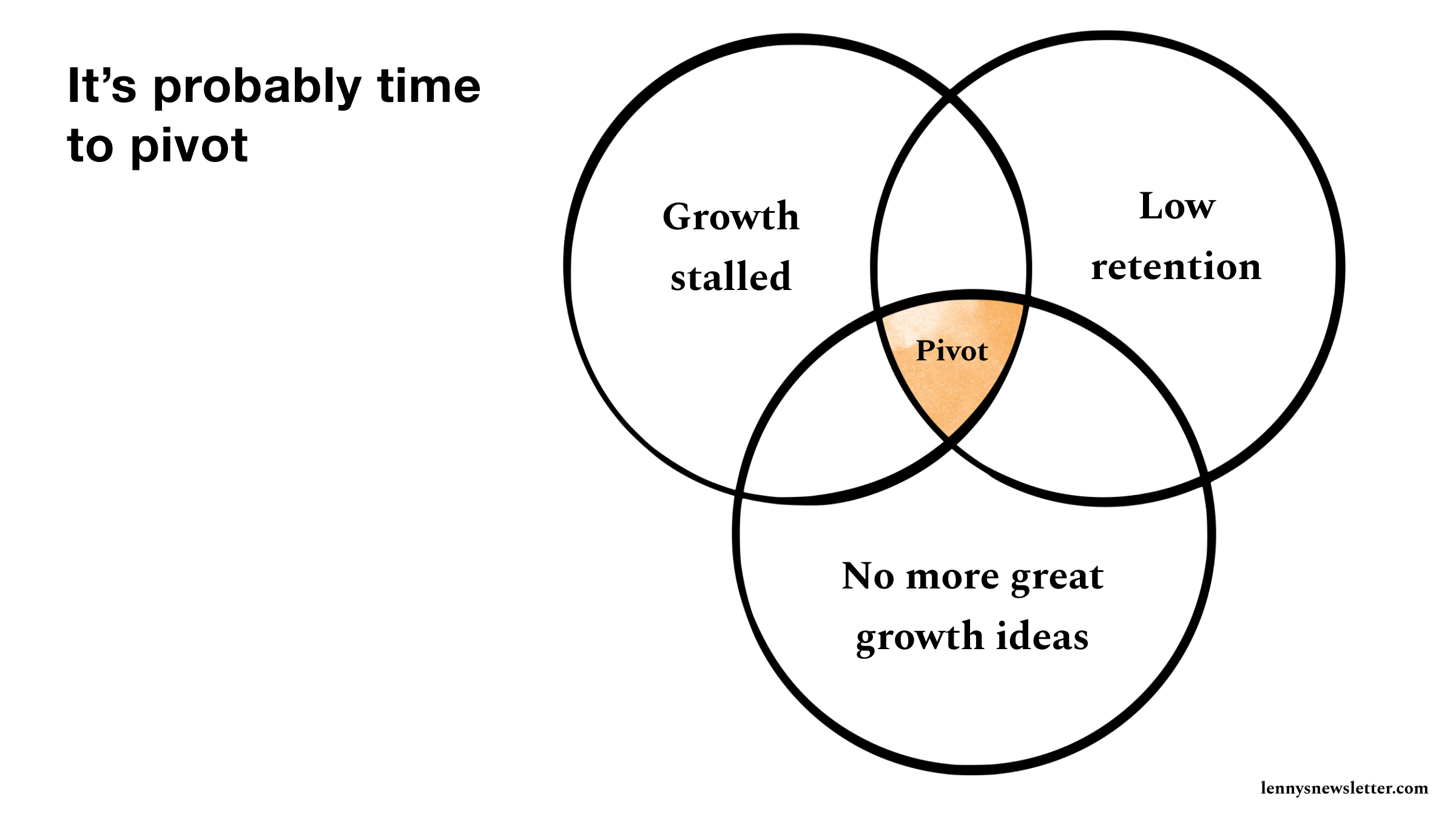
To make this more real, here’s what it felt like to founders right before they pivoted:
Instagram:
“We knew it wasn’t working when we would give it to people and they’d just keep bouncing off.”
—Kevin Systrom, CEO and co-founder
Amplitude:
“Sonalight did decently well, reaching hundreds of thousands of downloads and some number of paying customers, but it never really became a mainstream success. Our retention was very poor because the accuracy of the voice recognition wasn’t good enough yet.”
—Spenser Skates, co-founder and CEO
Twitch:
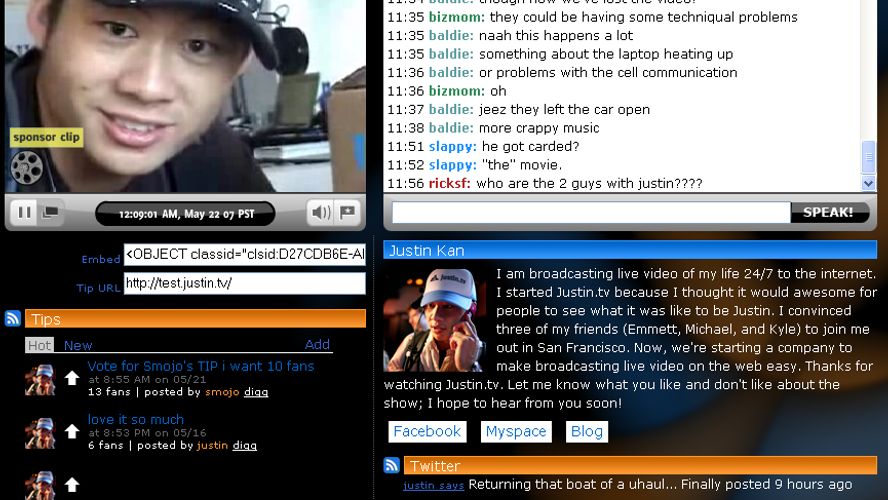
“We started trying to reignite growth and we had all these ideas for products we’d build, but they pretty much all failed in a variety of different ways. We were bumbling around, and a VC came by and told us, you’re doomed. Reigniting growth is almost impossible once it stops. And if you’re not growing on the internet, you’re dying.”
—Emmett Shear, co-founder, via “How I Built This”
Notion:
“A lot of the early stuff didn’t stick. The retention was not great, and it was very buggy.”
—Akshay Kothari, co-founder and COO
Segment:
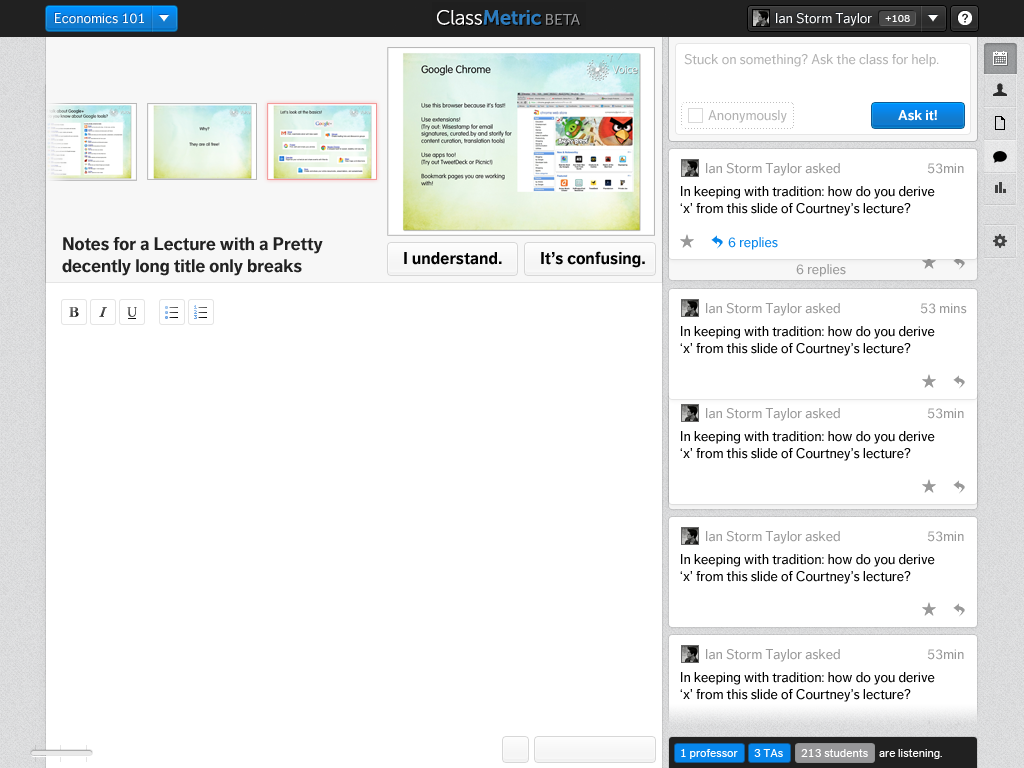
“Counting laptop screens, it’d be looking over the shoulders of the students, and we discovered at the beginning of class about 60% of students were on Facebook [not using our product] and by the end about 80% were on Facebook.”
—Peter Reinhardt, co-founder and CEO
Lattice:
“We would have pivoted more quickly, but it appeared to be at least sort of working; we got a good amount of top-of-funnel interest (in fact, OKRs are still a major reason people come to look at Lattice) and some great customers who signed up. However, the user retention was really bad, and after a few months there was a massive drop-off in how many employees were using the tool. So eventually we just recognized that this would never be the foundation for a growing business and knew we needed to pivot.”
—Jack Altman, CEO and co-founder
Yelp:
“When we launched Yelp, in my heart of hearts I tried to remind myself, as painful as it was, that we probably didn’t get it perfectly right. Even though we thought we were super-geniuses, there’s probably some way that we got it wildly wrong and we should look for something that is working, if it doesn’t work. So as soon as we launched, that’s what I was doing. Especially as the data that’s coming in, it’s like … people don’t like the site very much.”
—Jeremy Stoppelman, CEO and co-founder
Loom:
“Seven months in, we only made $600.”
—Shahed Khan, co-founder
Sign #2: Realizing it’s never going to be as big as you thought
For many founders, it wasn’t so much seeing hard data as it was just realizing they were mistaken about the potential of the idea. With time and the additional experience of building the thing, it’s not at all surprising that you may realize your idea is simply not good enough.
Brex:
“We applied to YC with this VR idea, which, looking back, it was pretty bad, but at the time we thought it was great. And within YC, we were like, ‘Yeah, we don’t even know where to start to build this.’”
—Henrique Dubugras, co-founder and CEO
Slack:
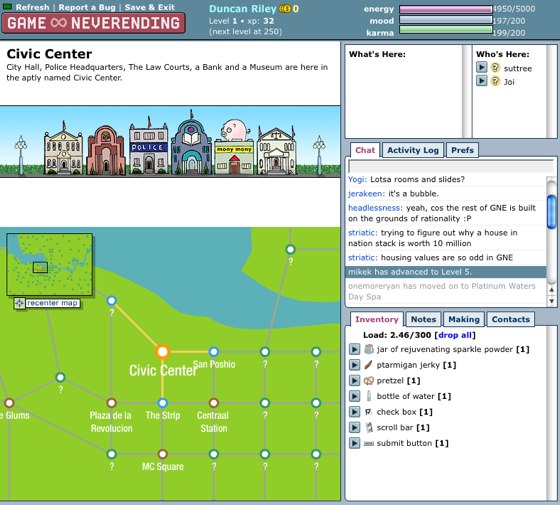
“We came to the conclusion that Glitch was never going to be the kind of business that would have justified the $17.2 million in venture capital investment [that we raised]. It might have been a neat project for a half-dozen people if we had spent a million dollars to get there, but by the end of 2012, there were 45 people working on it, we had spent many millions of dollars, and it just wasn’t ever going to scale. So we decided to shut it down without knowing what we were going to do next.”
—Stewart Butterfield, founder and former CEO, via Business Insider

YouTube:
“The whole thing didn’t make any sense. We were so desperate for some actual dating videos, whatever that even means, that we turned into the website any desperate person would turn to—Craigslist.’ Despite offering to pay women $20 to upload videos of themselves to YouTube, nobody came forward, forcing Chen, Karim and co-founder Chad Hurley to adopt a different strategy.”
—Steve Chen, co-founder, via The Guardian
Box:
“We looked at our user base and said, 2% to 3% of people are paying. And we did the math on how long it would take us to build a real business here when you have 2% to 3% of people paying.
We got to this struggle: you either had to be a consumer product that really optimized for consumer products, like upsell percentage, consumer use cases, all of that. Or we were listening to customers and heard more advanced and significant business use cases, like better security, business processes, and sharing files across enterprise. That was an entirely different segment of the market but with the same foundation of ‘make it really easy to share files and power how businesses work.’ So we said, OK, we think this is a bigger opportunity in the business space.”
—Aaron Levie, co-founder and CEO
Discord:
“We soft-launched Fates Forever in the fall of 2013 and, after months of testing, had a hunch it wasn’t going to be a hit, but we released it anyway in the spring of 2014 to confirm. At that point it was pretty clear it wasn’t working as is (an iPad MOBA), but we committed to post-content updates for a bit while starting to port it to iPhone and explore other ideas. I think it was winter 2014 when we first started seriously discussing the Discord concept.”
—Jason Citron, co-founder and CEO

Flickr:
“We were never going to raise money for the game. I had tried everything. I had put all of my savings into it, we had tapped out friends and family. We had more or less worked through all of the very small amount of angel investment we were able to get.”
—Stewart Butterfield, CEO and co-founder, via “Masters of Scale”
How to find a better idea
The best news of this post is that there are four clear paths to finding a better idea. And three of the four paths are simply about noticing what’s working when building your current product. This doesn’t mean you’ll find something that works, but it does give you a limited number of places to look.
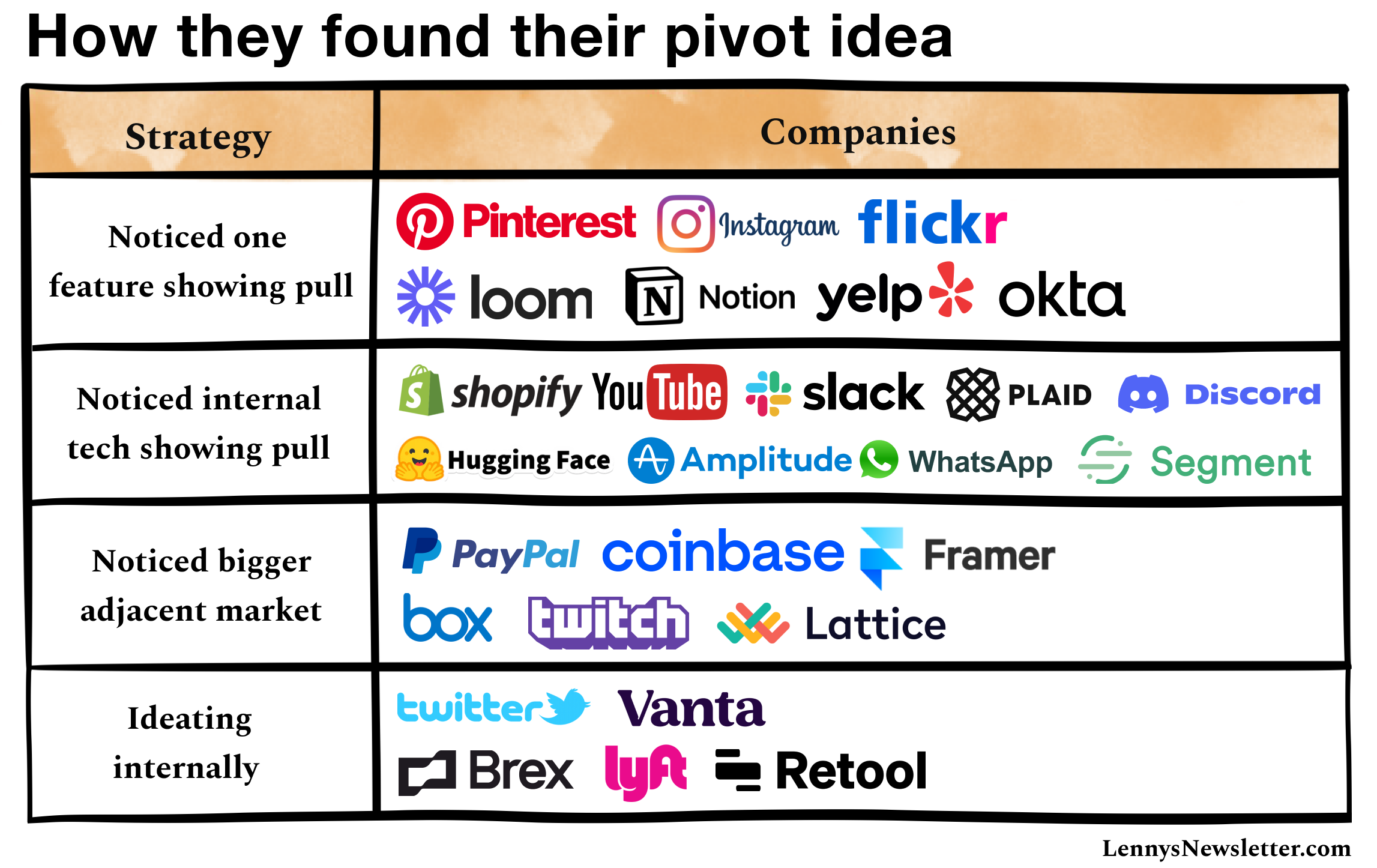
Let’s look at the stories of each strategy.
Strategy #1. Go all in on onefeature that’s showing pull: Loom, Notion, Yelp, Pinterest, Instagram, Flickr, Okta
Pivoting is often a story of narrowing and simplifying: stripping away what you’ve built and going all in on one feature. Is anything in your existing product being used an order of magnitude more than anything else? Is there anything about your product that people love? Are people using any part of your product in an unexpected way?
Loom: Users unexpectedly loved and used the screen recording feature more than anything else.
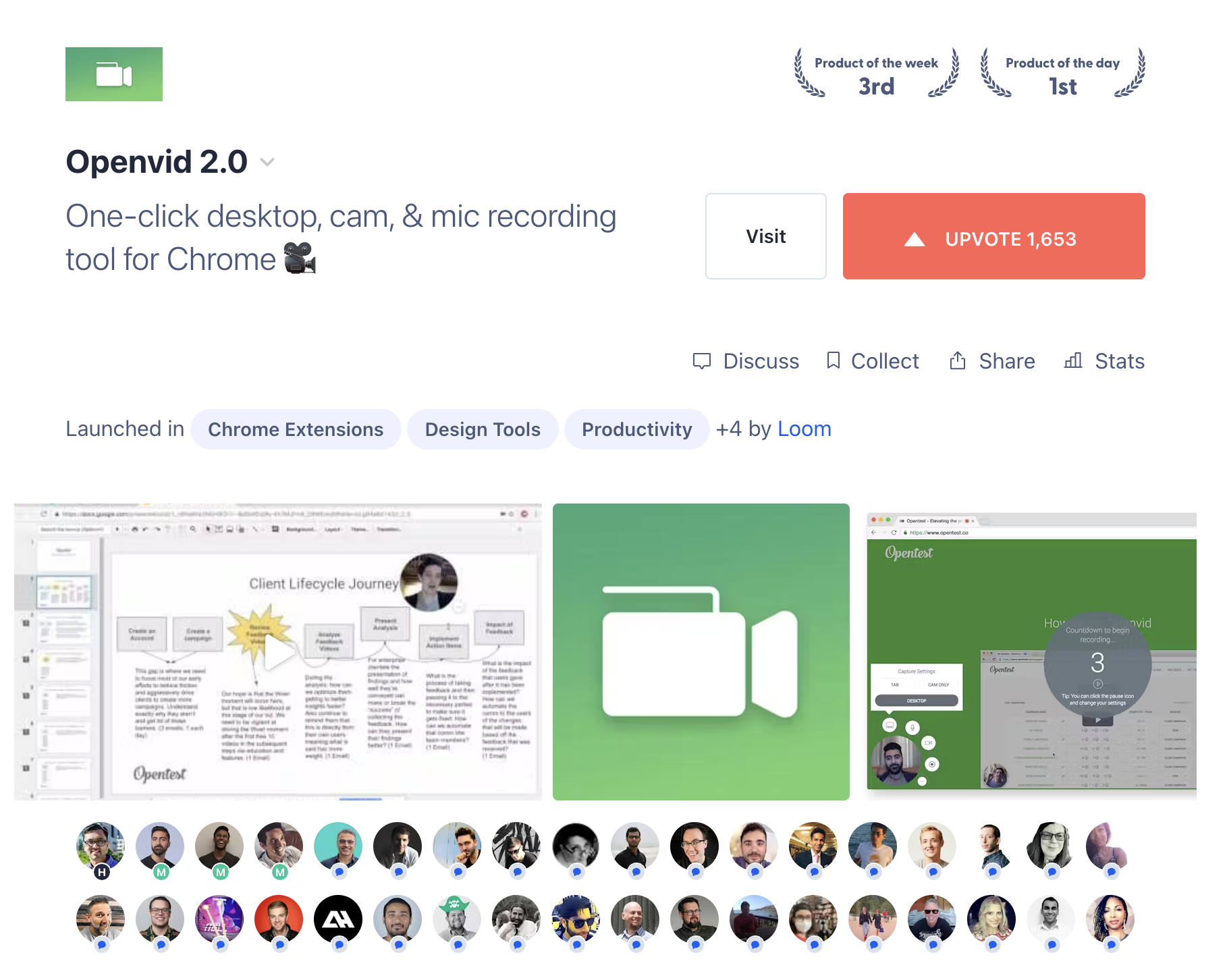
“Three months into this second idea, we had an aha moment when a client used the product to record a video of himself summarizing all of the user tests his team had collected. That’s when it occurred to us that there could be something here.
A month later, we launched on Product Hunt and had thousands of people who’d downloaded the extension by day’s end. That made it clear to us that we should double down on this new direction, and we’ve never looked back.”
—Shahed Khan, co-founder
Notion: Users unexpectedly loved and used the wiki editor and collaboration tools more than anything else.
“We realized that some people used and liked some parts of the editor, and some people liked some parts of the collaborative features. The insight was that the wedge into the market is probably more docs and wiki, rather than the [no-code] apps.”
—Akshay Kothari, co-founder and COO
Yelp: Users unexpectedly started leaving reviews proactively.
“As the data started coming in, as I was querying the database, I could see each user ID and they’d write a review and then another. Some people would write three or five or 10 reviews in one sitting. So that was the true lightbulb moment of, oh, maybe review writing is fun and we didn’t even know it. So just with that one little insight, we started to reshape the site around being a platform for you to share your recommendations.
It took another four months or so, and as soon as we turned it on, at that moment it was like night and day.”
—Jeremy Stoppelman, CEO and co-founder

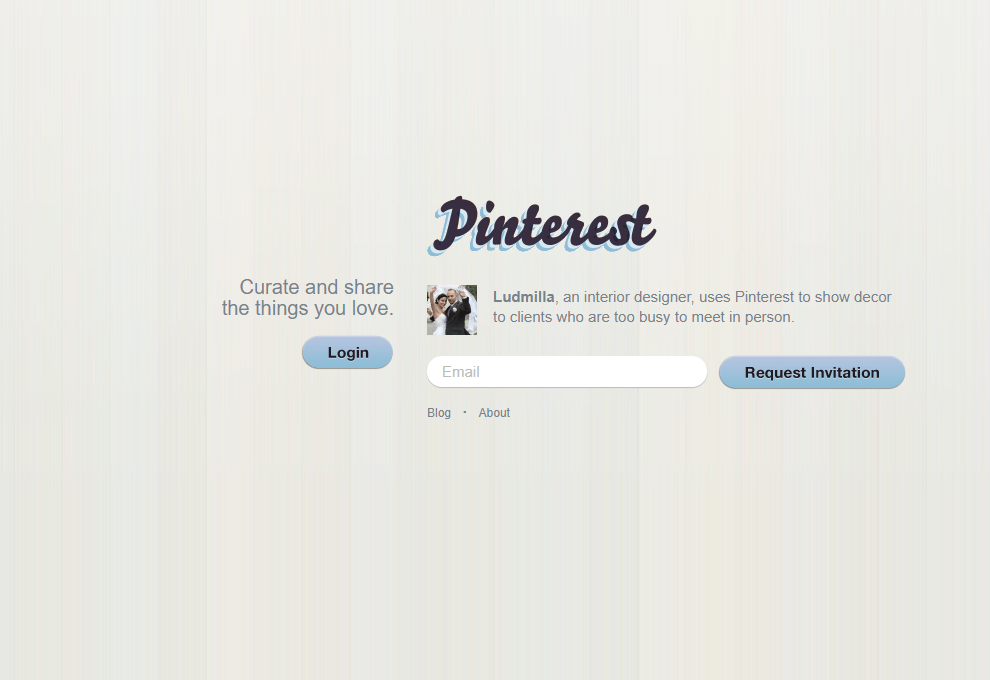
Pinterest: Users unexpectedly made product collections within Tote.
“But while Tote users weren’t making purchases via the app, they were amassing growing collections of ‘favorite’ items to share with their friends. To [co-founder Ben] Silbermann, who had collected insects as a kid, this was yet another example of people’s tendency to share their collections with one another. And while there was already a plethora of sites that allowed people to display virtual collections, they were all limited to a single item.
So a year after launching Tote, Silbermann pivoted to offer people a visually appealing way to display all their collections—whether they were books, adorable dog images, or women’s clothes—on the same site. […] Six months after its launch, Pinterest, then still an invitation-only site, had 80,000 collections.”
—Fast Company
Instagram: Users unexpectedly loved and used the photo feature more than anything else.
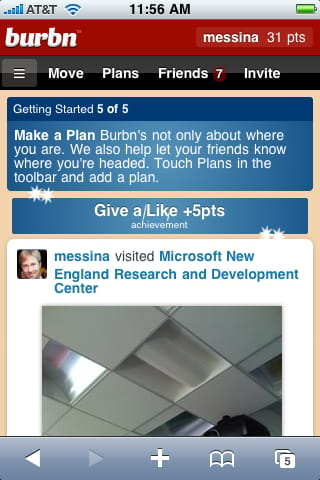
“The one thing that people would continue to do on the service was post square images from either Hipstamatic or CameraBag or whatever filter app existed out in the world, and people loved these posts. They got the most likes. They got the most comments. I would ignore every other post on Burbn except for the photos.
One day, Mike [Krieger], my co-founder, and I sat down, and we were like, ‘All right, we have to change something, because no one knows what we’re doing.’ We were like, ‘You know what? Let’s do what everyone’s doing on our service anyway. Let’s cut everything except for photos. Let’s build the filters in, and let’s allow for likes and comments and see what happens.’ I swear, the first day we launched it, we got 25,000 users.”
—Kevin Systrom, CEO and co-founder, via Startups.com

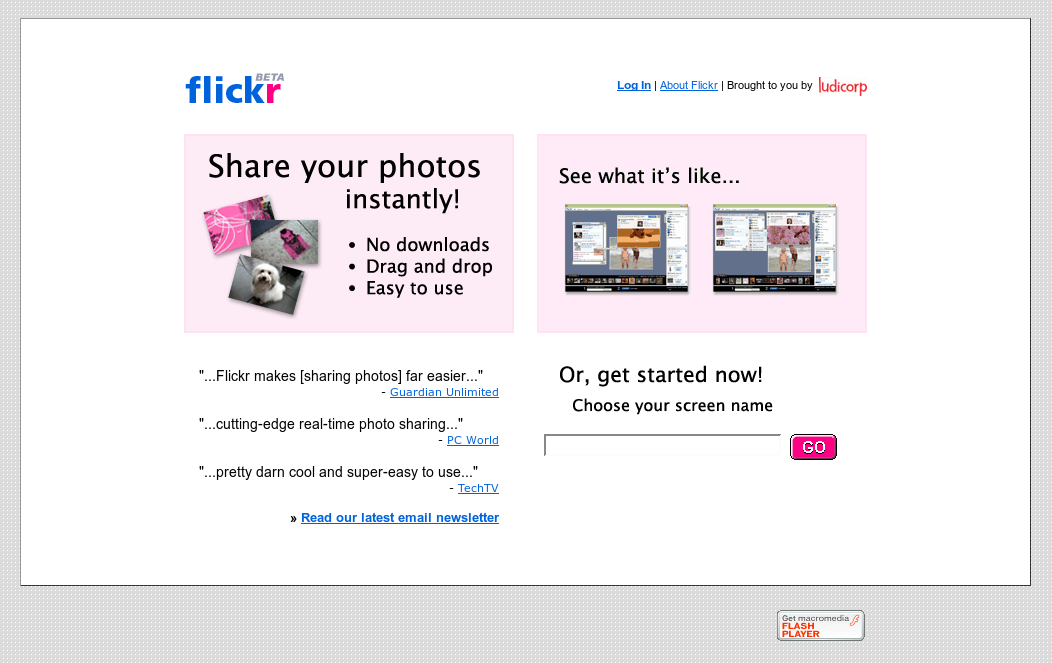
Flickr: Users unexpectedly loved and used the photo feature more than anything else.
“We had this game interface. In the game, you had an inventory, you could pick up objects. We made that inventory a shoebox full of photos. And you could do interesting things, like drag photos around on to group conversations, and they would pop up on the other person’s screen. You could annotate them in real time. And there was chatting in the game, so you could talk to the fellow players—that became a cornerstone of Flickr.”
—Stewart Butterfield, co-founder and former CEO, via “Masters of Scale”
Okta: Potential users were consistent about the one feature they wanted.
“I showed this to 100 people, and they kept asking about identity. We listened.”
—Todd McKinnon, co-founder and CEO
Strategy #2. Go all in on an internal tool or piece of tech that’s showing pull: Amplitude, Slack, Shopify, Hugging Face, Discord, Segment, Plaid, WhatsApp, YouTube
Along the same lines, many startups noticed that something they built internally, oftentimes for themselves, showed unexpected pull—either from users, other founders, or their employees. Surprisingly, this turned out to be the most common strategy.
Hugging Face:
“Thomas Wolf, one of our co-founders, I think it was like a Friday night, was like, I’ve seen this thing called BERT that was released by Google, but it kind of sucks because it’s on TensorFlow. I think I’m going to spend the weekend porting that into Pytorch. And we’re like, yeah, you do. You have fun. Have fun during your weekends.
And on Monday he came back and it’s like, okay, I’m going to release it. And he released it on GitHub, tweeted about it. And we got like a thousand likes, which for us at the time—we were, like, nobodies. We're like, what’s happening? Why are people liking this very specific, very niche, very kind of technical tweet about the Pytorch port of BERT? There’s something there. So we kept kind of exploring that.
We joined them, started to add other models to the GitHub repository. And the community came together. People started to fix bugs for us in the repository. We’re like, Why are people doing that? They started adding models. They started, for example, the first GPT. They added the next models that were released, and really fast. We ended up with one of the most popular GitHub repositories for AI. And that’s kind of like what transitioned us from this first idea to where we are now.”
—Clement Delangue, co-founder and CEO
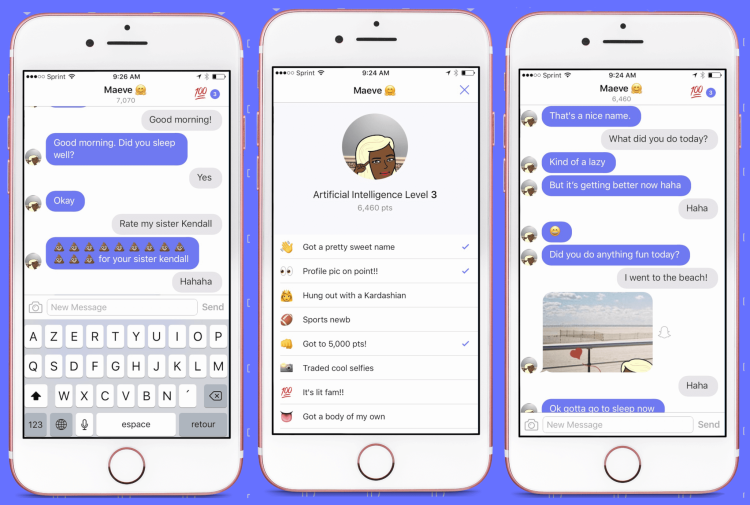
Amplitude:
“We started with a different company before Amplitude, called Sonalight, which was a voice recognition application that allowed you to send and receive text messages by talking to your phone. Sonalight did decently well, reaching hundreds of thousands of downloads and some number of paying customers, but it never really became a mainstream success.
One of the things that was really clear to us at the time was that you should look at what people are doing in your product in order to figure out how to make it better. We tried out tons of products on the market. I remember Flurry, Google Analytics, Adobe, Kissmetrics, and others. And none of them were able to answer the questions I just posed. And so we said, ‘All right, well, we’ve got to build it ourselves.’
A bunch of engineers with a lot of hubris, ha ha. So we ended up doing that. And as we shared those insights with other companies that we knew (we were at Y Combinator at the time), they were like, ‘Wow, that’s amazing. I really need to understand that about my business.’ So we pivoted from Sonalight and built what’s now called Amplitude.”
—Spenser Skates, co-founder and CEO

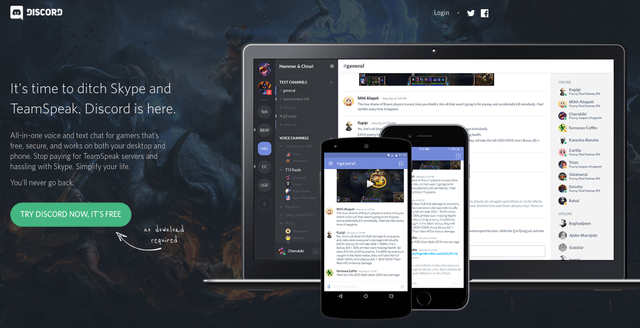
Discord:
“[Jason] Citron and his team realized that the best thing about their game was the chat feature. This was circa 2014, when everyone was still using TeamSpeak or Skype and everyone still hated TeamSpeak or Skype. Citron and the Hammer & Chisel team knew they could do better and decided they wanted to try. […]
After talking to users and seeing the data, the team realized its problem: Discord was better than Skype, certainly, but it still wasn’t very good. Calls would fail; quality would waver. Why would people drop a tool they hated for another tool they’d learn to hate? The Discord team ended up completely rebuilding its voice technology three times in the first few months of the app’s life. Around the same time, it also launched a feature that let users moderate, ban, and give roles and permissions to others in their server. That was when people who tested Discord started to immediately notice it was better. And tell their friends about it.”
—David Pierce, Protocol
Segment:
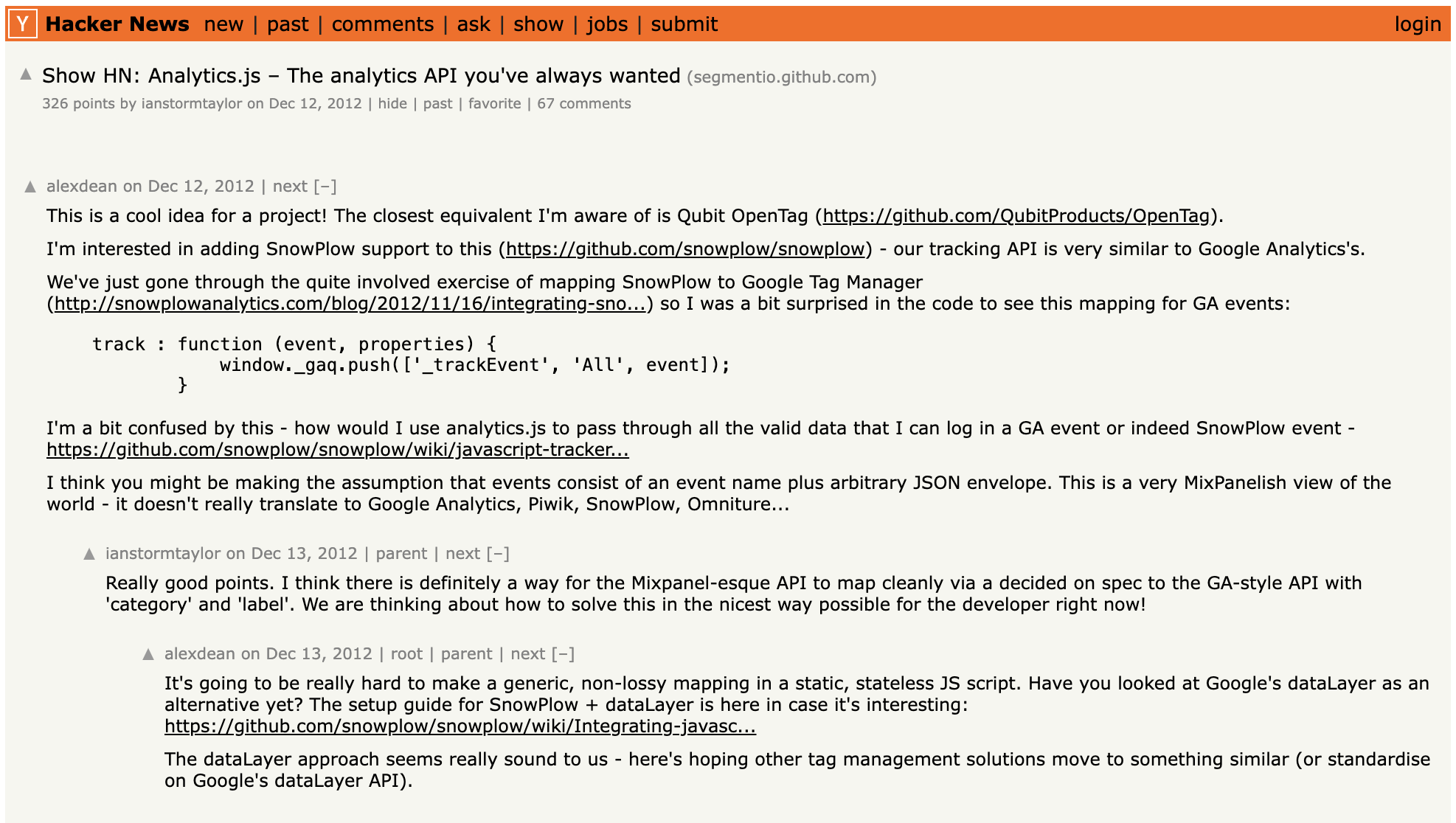
“As a growth hack, my co-founder Ilya [Volodarsky] built a little library called Analytics.js. The idea was that users can use it as a ‘drop-in replacement’ for Mixpanel or Kissmetrics and send us the exact same data as you would to each of them via one library. Users didn’t care much about our tool, but they seemed to like the idea of Analytics.js.
Finally, we have about six months of runway left and we haven’t launched anything. My co-founder Ian [Storm Taylor] thinks that the idea behind Analytics.js could actually be a big deal. We could effectively be the ‘API layer’ over all these annoying and similar, but inconsistent, data tools. We’re split on the decision. Peter [Reinhardt, co-founder and CEO] thinks it’s the worst idea he’s ever heard and that there’s zero chance a company could be made from 100 lines of JavaScript. We all agreed to build it for a week and launch it on Hacker News. That day, it goes straight to the top of HN, and the rest is history.”
—Calvin French-Owen, co-founder
Shopify:
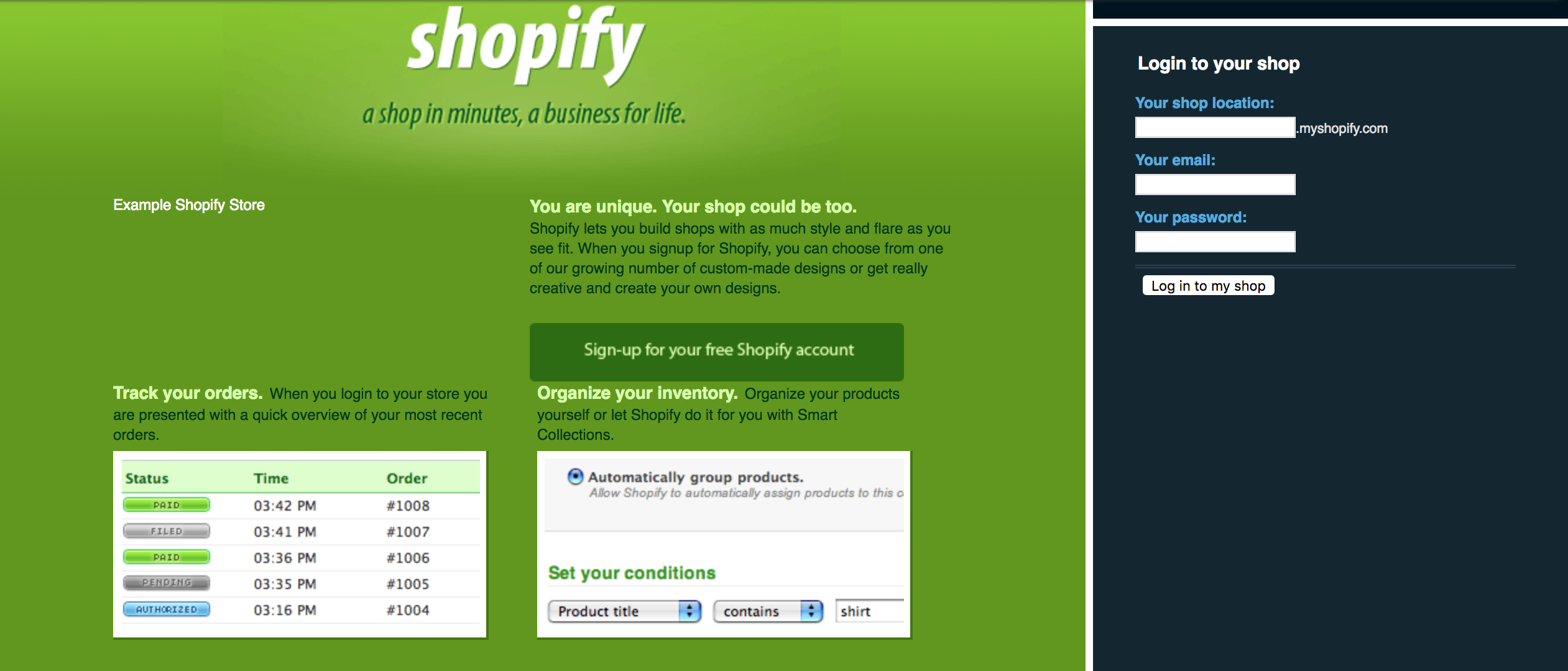
“As Snow Devil’s sales slowed down during the spring, Tobi [Lütke, co-founder and CEO] and Scott [Lake, co-founder] pondered whether to expand their product range or pivot to something else. Tobi’s custom software for Snow Devil caught the attention of others, who wanted to license the platform for their own businesses. Realising that this software could help countless other entrepreneurs, they decided to shift their focus from selling snowboards to creating a user-friendly e-commerce platform.”
—Founderoo
Slack:
“It took us a little while to settle on the idea that would become Slack.
That was really born out of the style of communication that developed while we were working on the game. We used an older technology called IRC, and because IRC is very limited, over the years we added the little features here and there that we wanted. For example, in IRC, if you’re not online at the same time as me, I can’t send you a message. I have to wait until you are also connected.
So one of the first things we did was build a way of archiving messages so that you could catch up when you came back online, and in those archives we wanted to be able to search them, so we added search, and so on. There was no good iPhone client, so we made an HTML5 front end for our archive viewer.
This interesting dynamic happened. By the time we shut down the game, again there were 45 people at the company, we had been in operation for three and a half years, and we had a companywide email list. After more than three years, it only had 50 messages on it, so about one every three weeks. That wasn’t a deliberate decision, that wasn’t ideologically driven. But it just happened that everyone paid attention to IRC, and the more people paid attention to it, the more information we routed to it; and the more information we routed to it, the more people paid attention to it.
So eventually, everything from database alerts to daily sales figures were being pumped into IRC. Every time someone uploaded a file to the file server, that would be posted into IRC. While we weren’t successful in making the game, we were very efficient in being unsuccessful to make the game.”
—Stewart Butterfield, founder and former CEO, via Business Insider
Strategy #3. Go all in on an adjacent bigger market showing pull: Coinbase, PayPal, Box, Twitch, Framer, Lattice
Coinbase:
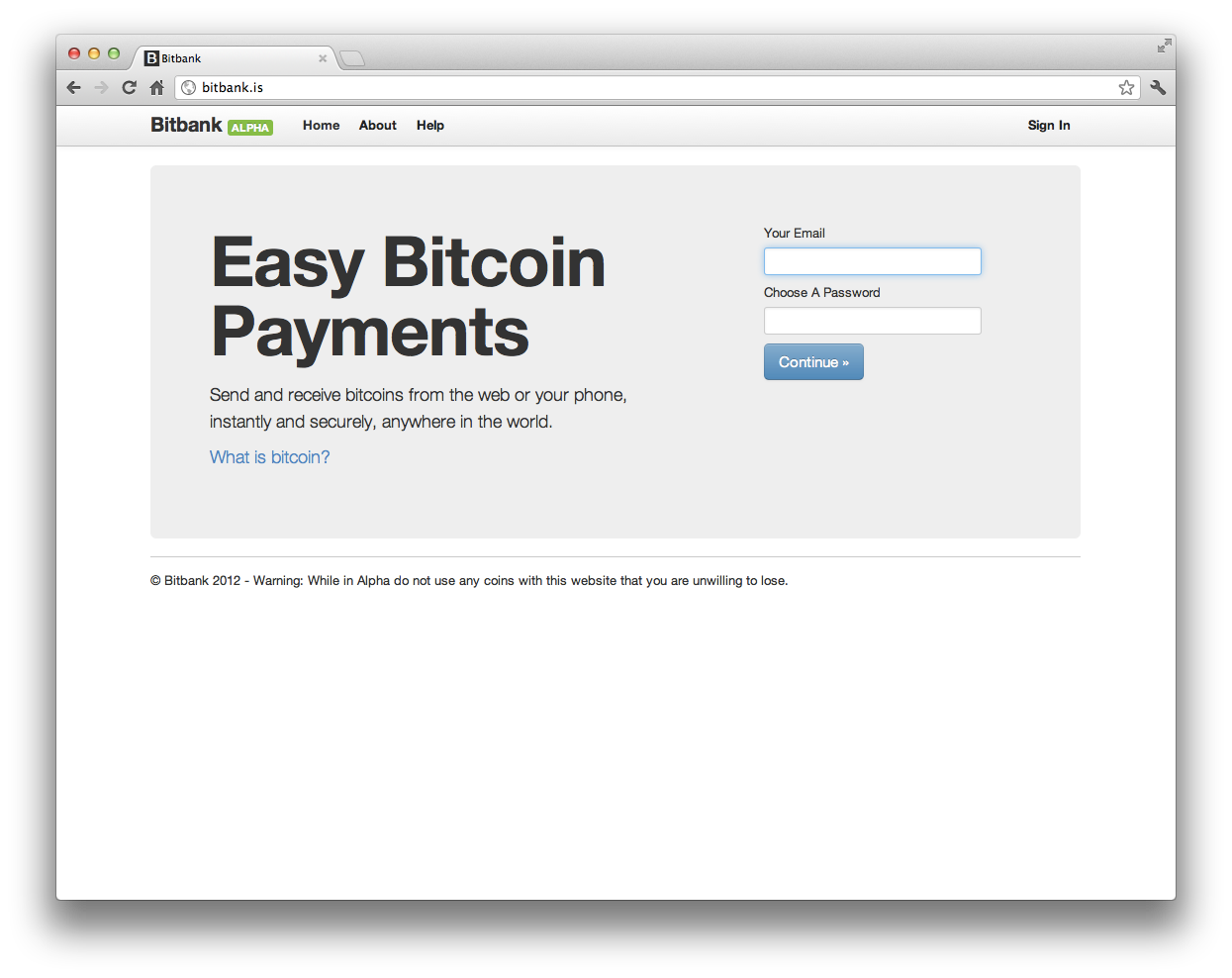
“I basically launched the hosted Bitcoin wallet. There were people signing up. I just posted on Reddit and places like that. And maybe like a hundred people would sign up and then nobody would come back. And so I just—in Y Combinator they often tell you, talk to your customers and improve your product. That’s all you’re supposed to be doing. Try to find product-market fit.
So I emailed like five of the users that had signed up and I was like, ‘Hey, I worked on this app. I saw you signed up. Can I get on the phone with you?’ I get on the phone with like five of these folks. And I was like, you know, why didn’t you come back? And the guy was like, well, the app was okay for a beta, but I don’t have any Bitcoins. So I didn’t really know what to do with it. And I remember, this lightbulb kind of went off in my head. I was like, well, if I put a ‘buy Bitcoin’ button in there, would you have used it? And he was like, yeah, maybe. So then we went about the process.
My co-founder at that time, we got that basically you had to get a bank partnership, payment rails, you know, an exchange, basic exchange functionality, all that stuff in place. And the minute we launched that feature where you could just click buy, put in your bank account or credit card, buy it, buy Bitcoin that showed up in your account from that day forward, the number of users started to go up like this. And so we finally had found product-market fit after two years of wandering in the desert.”
—Brian Armstrong, co-founder and CEO
PayPal:
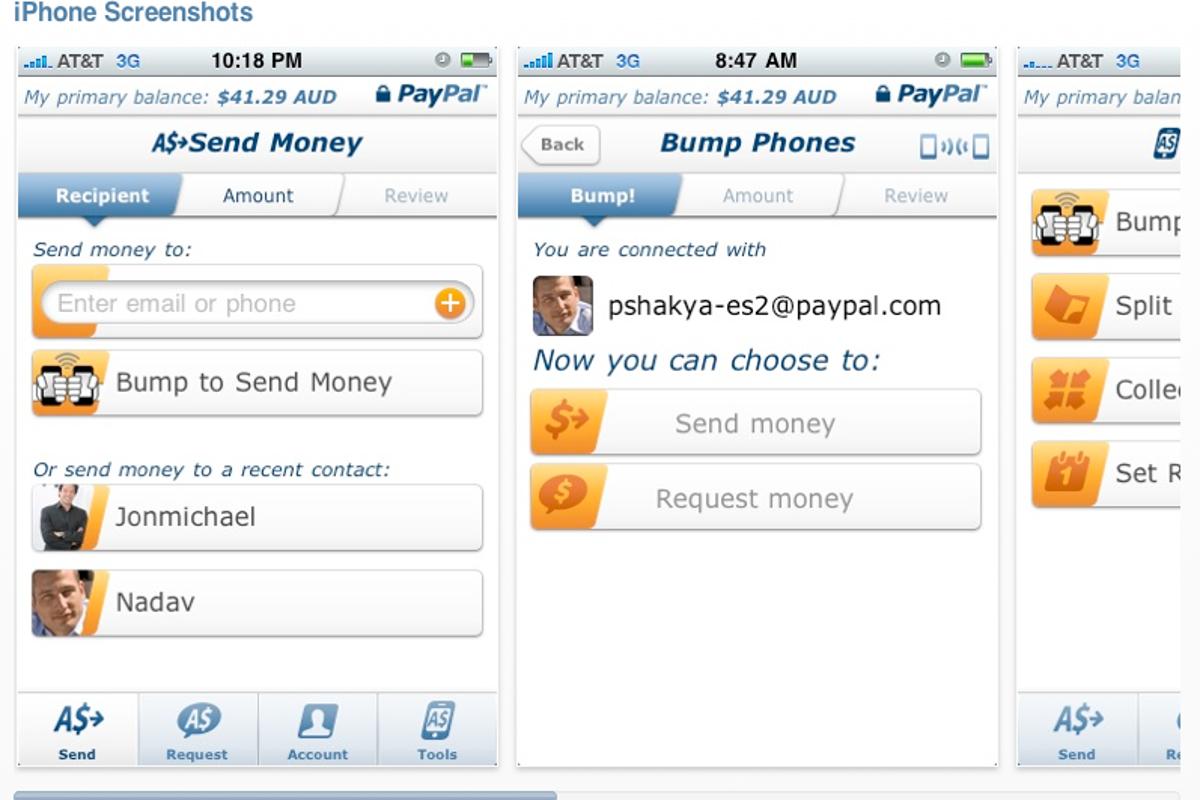
“In the beginning, the company wasn’t even known as PayPal. It was called Confinity and was designed to provide encryption on mobile devices. The idea was that someone else would build an application that would then require Confinity’s encryption technology.
The company quickly realized that it was dependent on others to build applications and decided to shift course.
The first pivot: Confinity changed its focus to building an application that could make use of its encryption technology, and decided to build an application related to financial transactions on a mobile phone. Soon after this, the company saw that it would take years for mobile phones to be able to effectively handle financial transactions and it again changed direction.
The second pivot: The company turned its attention to financial transactions between PalmPilots, hoping that would make it easy for them to eventually service financial transactions over mobile phones—its ideal scenario.
The third pivot: It didn’t take long before the company realized not everyone had PalmPilots.
Reid Hoffman, one of those working at the company, explored a potential use case that highlighted this problem. He detailed a scenario where a group of people went to dinner and wanted to split the tab after dinner.
He questioned how many people at that dinner table would actually have a PalmPilot. Reid argued that you’d only be able to split the dinner tab successfully if everyone had a PalmPilot, a scenario that was rare.
So the company decided to adjust its approach.
The fourth pivot: The company focused on PalmPilot and email payments and called this new system PayPal.
Soon they found that the email payment feature was being used a lot and having a significant impact on the business. The PalmPilot payments, though, weren’t that popular in comparison.
The fifth pivot: Confinity then decided to drop PalmPilot payments and focus only on email payments. This meant that they concentrated on the web and doubled down on the concept of web payments.
All of these changes happened during the space of 15 months.”
—Fast Company
Box:
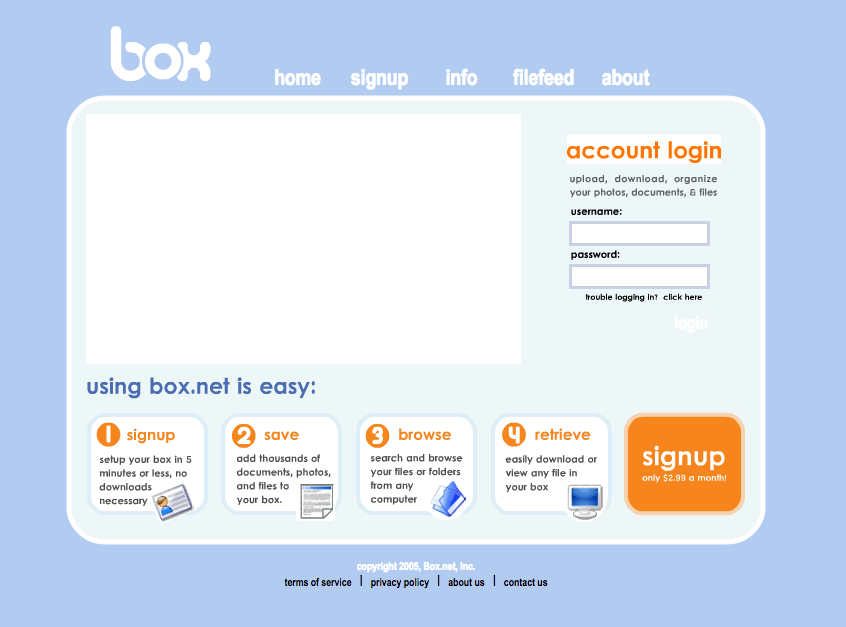
“We were listening to customers and heard more advanced and significant business use cases, like better security, business processes, sharing files across enterprise. That was an entirely different segment of the market but with the same foundation of ‘make it really easy to share files and power how businesses work.’ And so we said, OK, we think this is a bigger opportunity in the business space.”
—Aaron Levie, co-founder and CEO
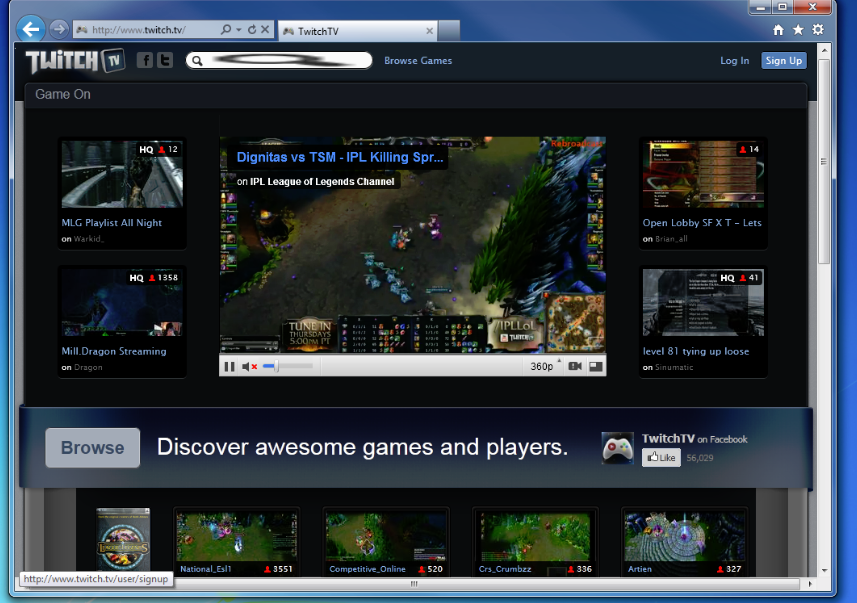
Twitch:
“Justin.tv always had a small, small amount, 1% to 2%, of gaming content. And when Starcraft 2 beta came out, a bunch of people started streaming it. They’d run screen capture software. They do screen share with the video game plus their webcam sort of overlaid on top so you could see their face. This was a tiny number of people who were consuming this content. It was maybe 50 streamers, and maybe in total 500,000 people a month. But it was the first time I’d ever actually enjoyed watching my own product.
We’d been running an entertainment product for four years at this point. And I was like, this is fun. I like watching this live. This is great. I can ask the pros questions. I’m hanging out with other people who also like the same thing I do. And I know that if other gamers who I know understood what I had, the experience I'm having and understood it, they’d like it too. And so I was like, I think there’s something here. I think if we focus on this, we could grow something really big. I think gaming is the vertical for us to work on.”
—Emmett Shear, co-founder and CEO, via “How I Built This”
Strategy #4: Ideate internally: Twitter, Lyft, Brex, Retool, Vanta
Finally, a meaningful number of pivots (though only startups in the “ideation” phase) resulted from simply brainstorming, tinkering, and talking to users. To leverage this strategy, look for ideas everywhere: organize hackathons, ask all of your employees, and talk to everyone you can about their (work) pains. Look for big markets with low-NPS incumbents, ideally in a space you have experience with.
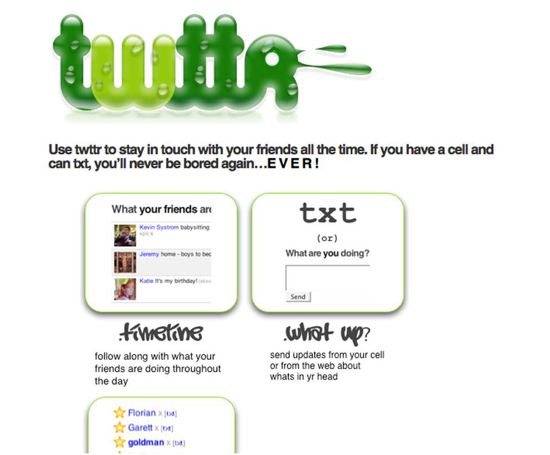
Twitter:
“The company started holding official ‘hackathons’ where employees would spend a whole day working on projects. They broke off into groups. Odeo co-founder Noah Glass gravitated toward Jack Dorsey, whom Glass says was ‘one of the stars of the company.’ Jack had an idea for a completely different product that revolved around ‘status’—what people were doing at a given time.”
—Business Insider
Lyft:
“During a hackathon, the mobile team came up with a couple concepts for something radically different from what Zimride had been. They were thinking about how the service worked and designing it for a mobile-first experience. After spending a few weeks on it, we launched Lyft as an experiment in June 2012.”
—Logan Green, co-founder and CEO
Brex:
“We applied to YC with this VR idea, which, looking back, it was pretty bad, but at the time we thought it was great. And within YC, we were like, ‘Yeah, we don’t even know where to start to build this.’ It was pretty complicated.
So we started to look for other stuff to do within YC, and we circled through a few ideas until we got some feedback that we should start a company that we, as founders, have an unfair advantage by starting that company. And we felt, well, we know a lot about fintech. We know a lot about payments. That might be an area. And we figured out there were all these startups in YC that couldn’t get a credit card and had raised millions of dollars. And we thought that was super-dumb. Why can’t they get a credit card if they raise millions of dollars? And that’s kind of how, working through with the YC partners, we came to the idea of Brex.”
—Henrique Dubugras, co-founder and CEO
Retool:
“Perhaps a little-known fact is that I had actually started a couple of other companies and products before Retool. And every time the team built any of these products, we had to go build our own tools for it. Eventually, when you build enough of the same things—in this instance, internal tools for different projects—you kind of realize they actually all have the same building blocks. We thought, ‘There’s got to be a better way of doing this.’ And we’re lazy engineers and we thought other engineers would be lazy as well. So that’s how the idea [for Retool] first came about.”
—David Hsu, founder and CEO
Vanta:
“I chose (1) team collaboration tools, because I thought, I don’t know if I truly love this but I know it from my Dropbox days, and (2) security, because it seemed interesting and I wanted to learn it. They both seemed big and important and interesting, and I had all kinds of security and compliance challenges at Dropbox. I also felt like I’d be happy learning about that space, and I also wanted to work with startups.
Within collaboration, we were asking ourselves, ‘What are the macro trends and new technologies shaping the world?’ It’s late 2016, and so ... voice! Team collaboration software is also emerging, and so the answer is B2B Alexa. At the whiteboard stage, it makes so much sense. And in reality, zero sense. We recognized that if you can do it on a whiteboard, someone has probably done it. There are no $20 bills on the sidewalk.
Also, when you’re changing context from B2B Alexa to other ideas like, I’m going to make a better wiki, to solving security, to whatever, you’re spreading yourself too thin and you’re not going deep enough to actually learn anything that someone else hasn’t.
So within the security bucket, I started asking all the startups I knew about security, and they all looked at me really guiltily and said, ‘We don’t really do anything. We know we should, but we don’t.’ Everyone wanted to do security, but it was hard to prioritize until customers asked for it. So I started doing it for them scrappily and manually, and that led to what Vanta is today.
When I tell founders this, sometimes they’re like, ‘Well, how did you know security was going to work?’ You don’t. If you know the answer to that, go for it. But it’s only obvious if you look back.”
—Christina Cacioppo, founder and CEO
Should you pivot or stay the course?
The million-dollar question. Most companies that pivot still fail, and most companies that fail will go through at least one pivot. I ran a poll on both LinkedIn and X asking founders who had their startup fail if they had pivoted beforehand, and nearly two-thirds had attempted a pivot before giving up.
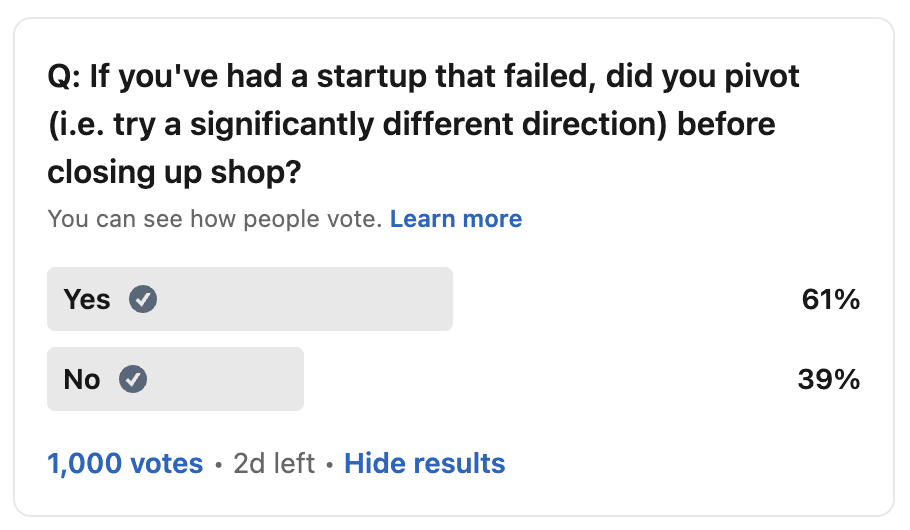
All of this is to say, the odds of your startup succeeding are low, no matter what you do.
To make the decision even harder, check out this chart from my B2B series on how long it took for B2B startups to find PMF. It took many companies 3+ years.
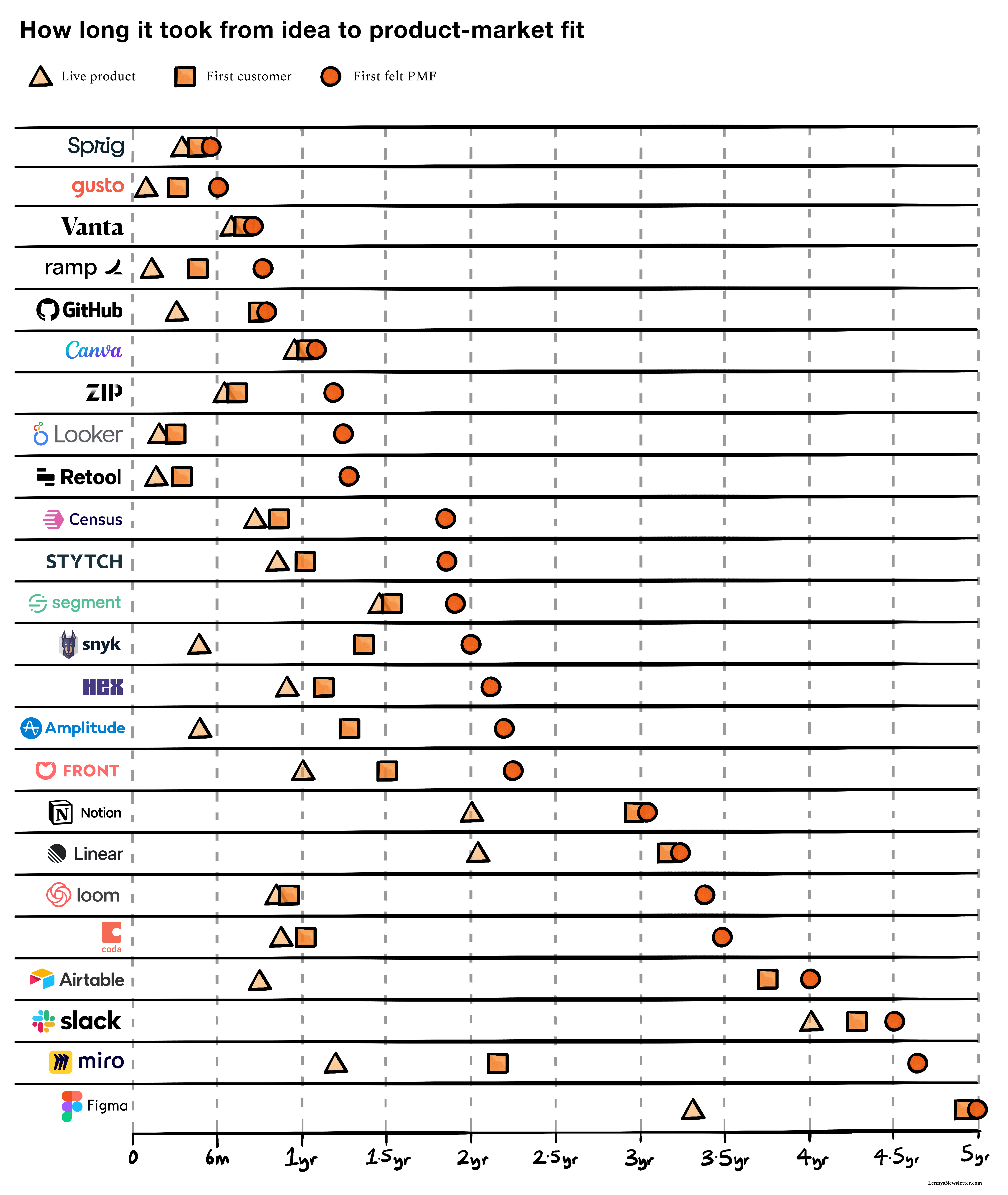
For B2C, it’s generally much quicker—but it still took some companies 3+ years.

So going back to our question: How do you know if you should stay the course?
My favorite general piece of advice on this question comes from Scott Belsky, a former podcast guest and the CSO at Adobe. Here’s what he told me when I asked him this question in our podcast conversation:
“I’ve had this conversation quite a few times over the years with founders and friends who were running a company going sideways or worse and have had this question, ‘Should I continue or not?’ I always have the same answer. I basically say, and I really ask, ‘How much conviction do you have in the solution you’re building?’
I know in the beginning, before you knew all you know, you had tons of conviction. That’s what caused you to leave your job. That’s what caused you to take all this risk and hire people and raise money and all this stuff. Now, knowing all you know, do you have more or less conviction in the problem and the solution you're building? And I’ll tell you, I get different answers. Some people are like, ‘Oh, Scott, I mean I have more conviction. All that I’ve learned, all the validation I’ve received from customers, we just haven’t figured it out yet. It’s driving me crazy. We’ve tried three times, and it’s still like each product fails, but I have more conviction than ever before.’
And for those people, I’m like, ‘You know what? You’re just in the messy middle. Stick with it. This is par for the course.’ But oftentimes I’ll hear, ‘Honestly, if I knew then what I know now, I would not have done this. Holy shit.’ I’m like, ‘Then quit.’ Your life is short. You have a great team. Pivot. Do something completely different. If you’ve lost conviction, you should not be doing what you’re doing in the world of entrepreneurship.”
—Scott Belsky
If this doesn’t resonate, consider Dalton Caldwell’s perfect and hilarious equation:
if ((how well things are working) / (# of months of concerted full-time effort)) < (excitement to work on another idea) (confidence that you can find an idea that works better)) {
you_should_pivot()
}
Other factors that could be good enough excuses to keep going:
- You’re building complex tech that simply takes time.
- You have a clear vision of what needs to exist in the world, and you need to see it through.
- You’re having a lot of fun and aren’t concerned about the business outcome.
My final piece of advice is that if you’re reading this post right now and your gut is telling you that it’s time to pivot, it’s probably time to pivot.
Leave a comment with what you decide—in case it helps someone else down the line 👇
Have a fulfilling and productive week 🙏
📚 Further study
👀 Hiring? Or looking for a new job?
I’m piloting a white-glove recruiting service for product roles, working with a few select companies at a time. If you’re hiring for senior product roles, apply below.
If you’re exploring new opportunities yourself, use the same button above to sign up. We’ll send over personalized opportunities from hand-selected companies if we think there’s a fit. Nobody gets your info until you allow them to, and you can leave anytime.
If you’re finding this newsletter valuable, share it with a friend, and consider subscribing if you haven’t already. There are group discounts, gift options, and referral bonuses available.
Sincerely,
Lenny 👋